
An Interview with Author Michael Cline
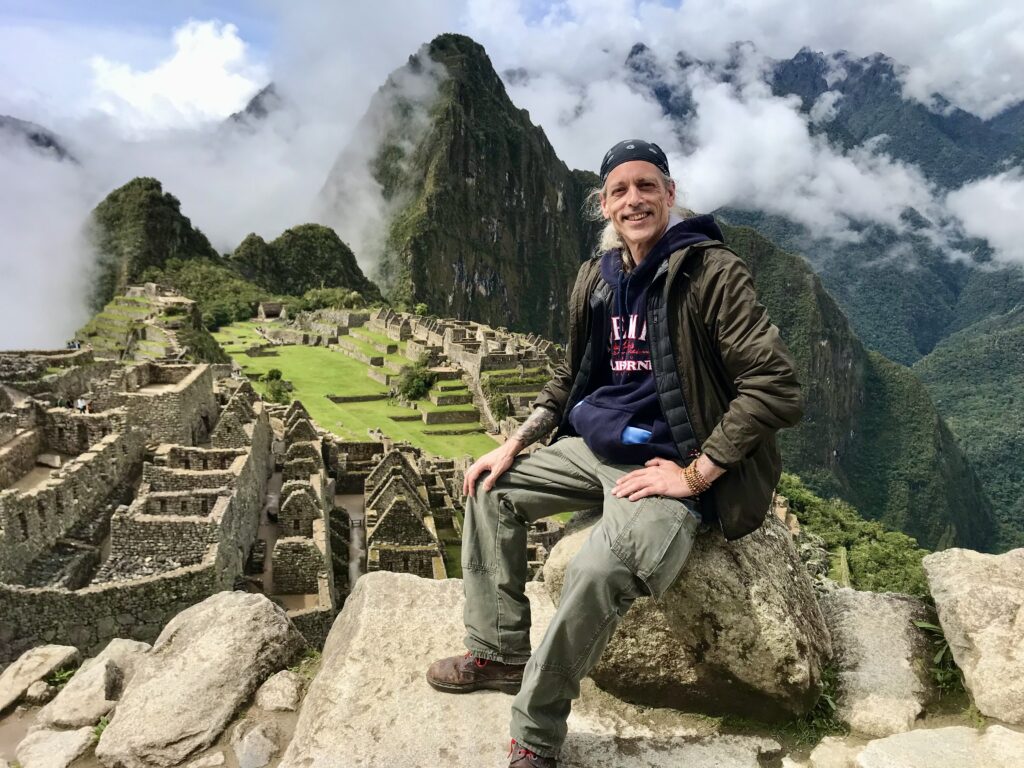
Author Michael Cline
Independent Author whose three autobiographical books are exactly why we need writers like him today!
Barcelona-based author Michael Cline writes about addiction, recovery, his travels to Siberia, and life as a U.S. citizen living in Spain. He spends his days working as a content writer, spending time with his wife exploring Barcelona, and, of course, writing. He is a lover of cats and has no children that he’s aware of. His main literary influences are Henry Miller, Jack Kerouac, and Ernest Hemingway.
Michael, just as background: I own all three of your books. It began with an ig reel you put out – I was immediately drawn to your NYC story and how you survived. As I read your books, I reached out to you, and as two artists, we became friendly. Did you realize, while writing these books, how relatable or familiar your NYC of those earlier years would be to others?
I never thought my NYC experiences would have been all that interesting to others. I wrote New York City Junky Days for me, and didn’t think much about who my target audience was, what they would want to read about, or anything like that. For whatever reason, I knew that the book needed to be written, even if no one ever read it other than a handful of readers. The book flowed out of me over six months, and although I initially believed it would have been a very healing process to write about the bad old days, it caused me a great amount of anxiety. Reliving a particularly dark period in your life and forcing yourself to remember all the dirty details wasn’t as good an idea as I had thought. However, it’s not just a drug memoir; it also captures what the East Village was like during the eighties and nineties, and that part was a lot of fun. I post a lot of reels on Instagram about that sort of thing, and it’s that part that has caught the attention of a lot of people, some of whom ended up buying my books, just like you did.
You mentioned in your book, New York City Junky Days, you never saw yourself as ever doing heroin, and yet, you became a hardcore junkie. Looking back, are you still asking yourself how this happened to you, or did writing this book clarify the process?
I was always afraid of needles, and any time I had to have blood drawn, I’d have to lie down, and I’d ask the phlebotomist to have smelling salts nearby. It was always a traumatic experience. Throughout my teenage years, I was quite fond of partying. I found a love of alcohol at a young age, and smoked weed at parties and what not. I did experiment with what we used to call “crank” when it was available, so I was no stranger to drugs. But heroin was something I had a very healthy fear of, along with a fear of needles. I had never been addicted to anything and used drugs recreationally. Unfortunately, once it was in front of me and I sniffed that first line, I was hooked. It was that good. Well, maybe good isn’t the right word. It numbed my deepest emotions and blocked out memories of my childhood trauma, and I felt as if I had found a miracle cure.
One of the most fascinating parts of your recovery – explored intently in your book, New York Recovery Days- was your travels to Peru to explore a mind-bending healing process. Please tell us about that.
That trip to Peru, Iquitos to be exact, saved my life. Despite decades of clean and sober time, I was miserable and having some dark thoughts. Never in my life had I seriously considered suicide, but during this time, I only felt calm and content when I was contemplating it. As you know, since you’ve read the book, I received some kind of telepathic message that I had to travel to Peru and drink ayahuasca. I thought I was going crazy, but I followed through and had a credit card fund the entire trip. Before entering the Amazon Jungle, I believed that ayahuasca was a drug, and people had a psychedelic experience that they forced themselves to believe was spiritual. Yeah, I was a total skeptic. The ceremonies I attended were the most frightening experiences of my life; however, they were also the most healing. It forces you to feel the things you’ve suppressed. I died in Peru and became a part of the great void and was reborn. I don’t think I’d be here to tell the tale if I hadn’t listened to that ghostly voice that whispered in my ear, “You must go to Iquitos.”
How has music shaped your journey throughout the years, and what music would be your life journey soundtrack?
Great question! I’ve always been eclectic when it comes to music and have listened to everything from New York Hardcore to classical to Chicago blues, opera, Indian ragas, Tuvan throat singing, and everything in between. I have a soft spot for The Carpenters and sappy 1960s pop songs. During my junkie years, I was listening to a lot of Johnny Thunders, New York Dolls, Nirvana, Mazzy Star, and oddly, Otis Redding. Nowadays, when writing, I mostly listen to a continuous 40 Hz tone, but I guess that’s not considered music. The soundtrack of my life journey would probably be a mix of everything, from the extreme to the subtle to the corny.
You’ve had amazing experiences with music and throat singing – please elaborate on those powerful experiences and influences.
While New York Recovery Days does recount my love of throat singing and a chapter about my trips to Siberia, My Adventures in Tuva is a deep dive into it. I first heard Tuvan throat singing when I was near the end of a nearly three-week withdrawal from methadone. For those who don’t know, throat singing is a vocal technique where one singer can produce two or three notes simultaneously. It’s absolutely fascinating. Scholars believe that the people of Tuva (a small republic in southern Siberia that shares a border with Mongolia) have been throat singing before language was invented. It’s a way to make offerings to the spirits, and there are different techniques when singing to a mountain or a river. Some believe, myself included, that the frequencies this style of singing produces can be healing. If it weren’t for me stumbling upon this unique music, I’d probably still be using heroin or be dead or in prison. Tuva is an amazing place and way off the beaten path. It’s not tourist-friendly, and I had some of the wildest experiences there, spending time with the best living throat singers alive.
How is life today, and what are you most looking forward to?
Life is good! I recently got married. Believe it or not, I met her in Tuva, although she’s from the south of Spain. I’m making a living as a writer, which is something I’ve always wanted to do. Barcelona is a beautiful place to live, and I’m happy sharing my life with a beautiful Spanish woman. I’m looking forward to continuing my journey as a writer, and I’m currently working on a fourth book, a collection of essays all tied together with a loose theme of suppressing emotions and the problems that can cause. Most of them are stories that haven’t been included in my other three books.
Most importantly- how can people get your books? Which platforms are selling them?
I didn’t follow the path of most independent writers who publish on Amazon. I don’t like the company, although I don’t begrudge people who do. To each their own, so to speak. You can only find my books on Lulu.com, and you can find information about them here: https://wordsfrommichaelcline.carrd.co/
One last question- as an independent writer who has been unusually successful – what advice could you give to writers trying to also be independent?
If I had to do it all over again, I would have spent more time finding my target audience, but fortunately, they’ve found me. I would have also worked on developing an email list and researched more about marketing. Fortunately, it all sort of came together organically for me. As far as the actual writing goes, I highly suggest writing for yourself first, and for your audience second. The more I write for me, the more authentic and genuine it becomes. At least that’s how it works for me.
Michael, it has been a pleasure talking with you. I look forward to reading more work from you in the years ahead! Thank you for taking the time to chat.
( Cyndi Dawson had been writing for Wild Wild West for several years and is a published poet. She is best known as the front woman of the rock band The Cynz )


